
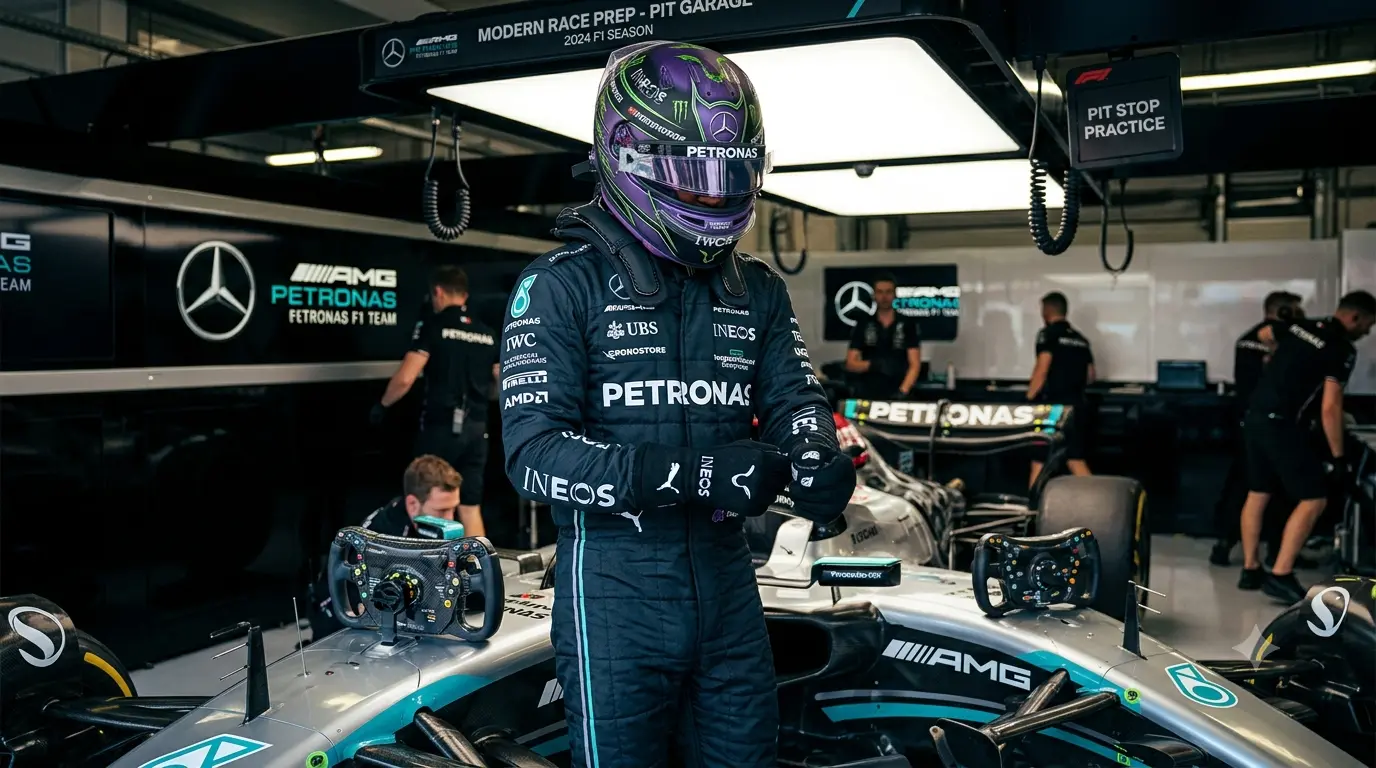
F1 Race suits are not just flashy garments — they are lifesaving, highly engineered pieces of racing equipment that balance safety, comfort, and style while meeting strict FIA regulations. In this guide you’ll learn the history and evolution of F1 race suits, how modern suits are designed and tested, what top drivers prefer, how to choose the right suit (materials, fit, certification), and where to buy one — all optimized for fans, racers, and buyers in Australia, the USA, and the UK. This article focuses on informational and commercial intent: it teaches and helps readers choose and buy F1-grade race suits.
What Is an F1 Race Suit?
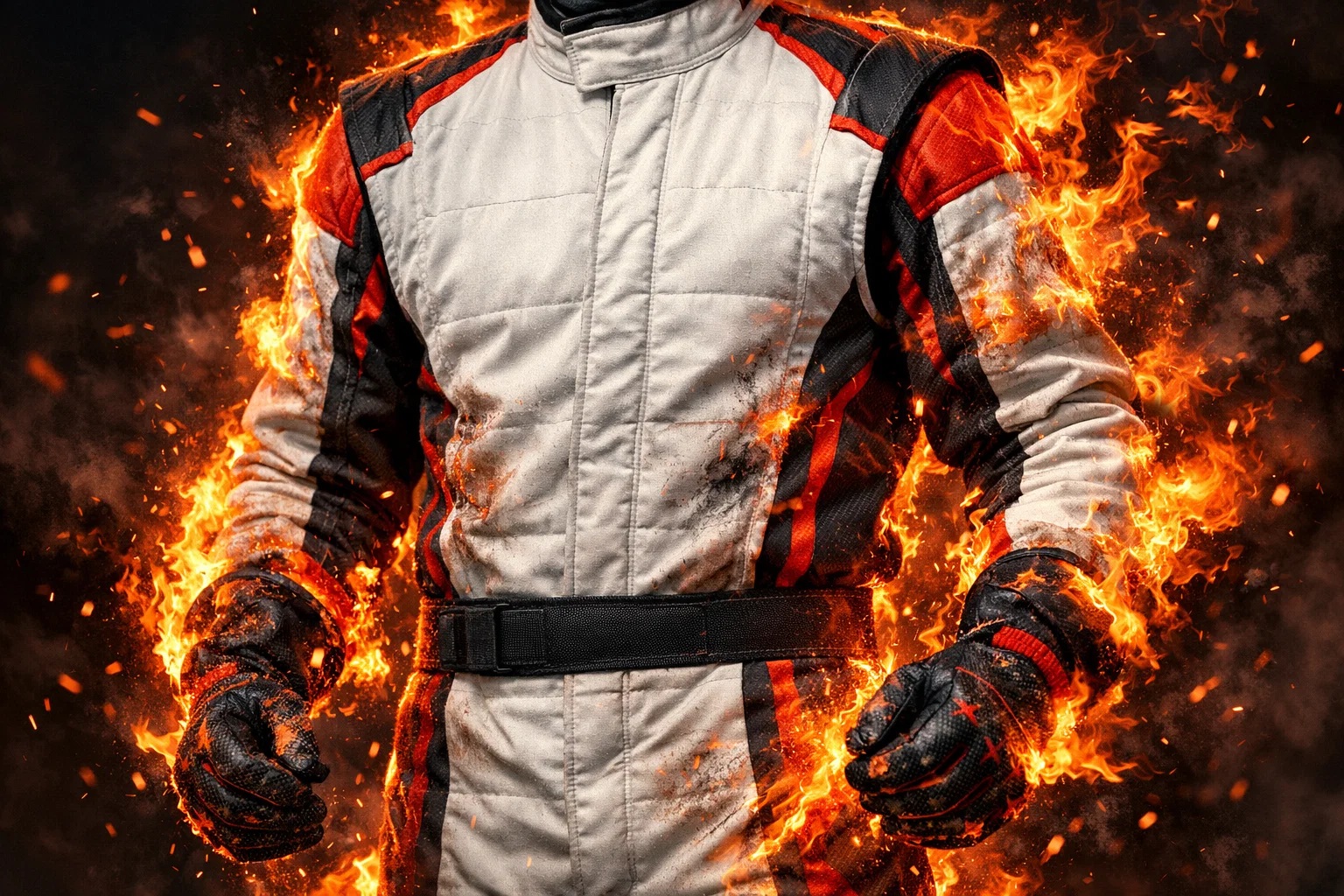
An F1 Race suit is a multi-layered, fire-resistant racing garment certified to strict motorsport safety standards and specifically designed to protect drivers from heat and flame while allowing movement and comfort during racing. It’s built around materials such as Nomex (meta-aramid fibers) and engineered with layered construction to delay heat transfer and prevent burns.
Brief History of F1 Race Suits
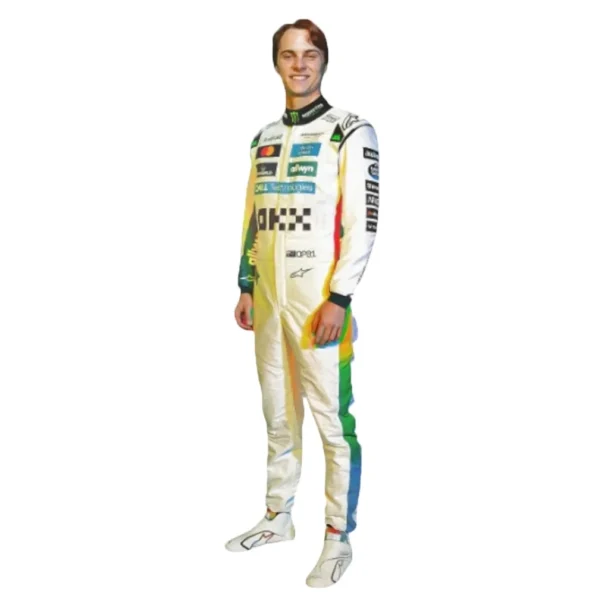
- Early suits (pre-1970s): Drivers originally raced in cotton or leather with minimal fire protection; suits offered little more than abrasion resistance.
- Fire-retardant revolution (1970s–1990s): High-profile burns and incidents pushed teams and manufacturers to adopt flame-resistant materials; Nomex emerged as the industry standard.
- Modern era: Multi-layer systems, improved comfort, integrated cooling, and FIA homologation made modern suits both safer and more comfortable.
How F1 Race Suits Are Made
- Materials and layers: Suits typically use meta-aramid fabrics (Nomex) layered 2–4+ times depending on certification level and racing category; each layer traps air and slows heat penetration.
- Seams, zippers, and construction details: Flat-felled seams, flame-resistant thread, and covered zippers reduce weak points; stretch panels at shoulders and knees improve mobility.
- FIA homologation tests and standards: Suits for top-level motorsport must meet FIA 8856-2000 / FIA 8856-2018 technical standard (or the current standard applicable to the series), which specifies thermal protective performance, burst strength, and flammability tests.
Drivers and Designs
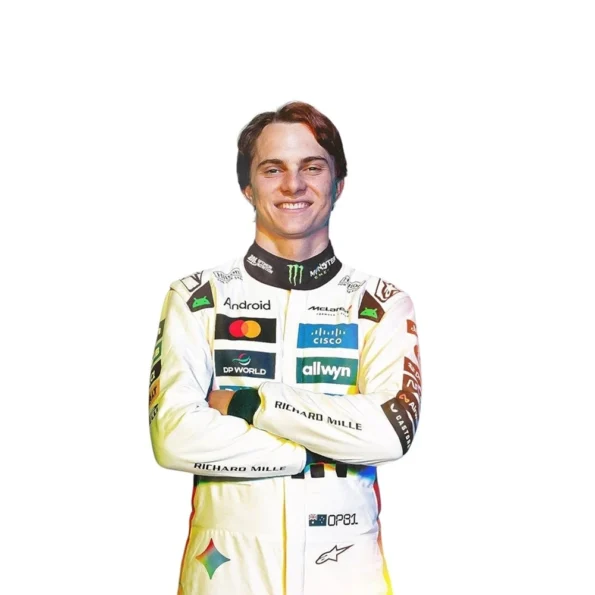
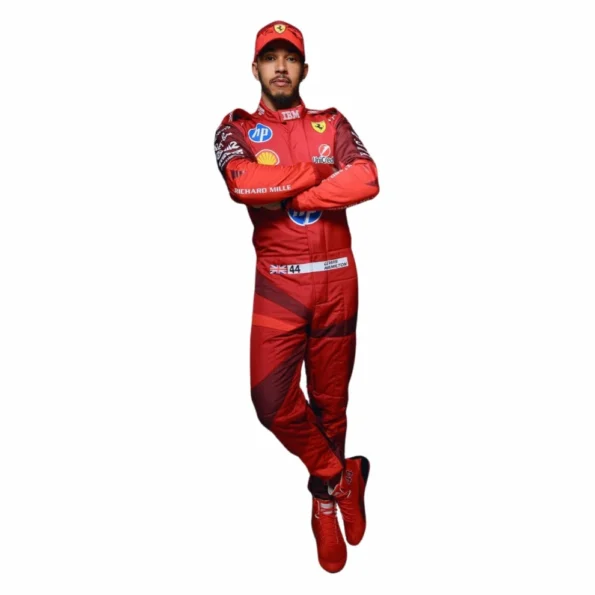
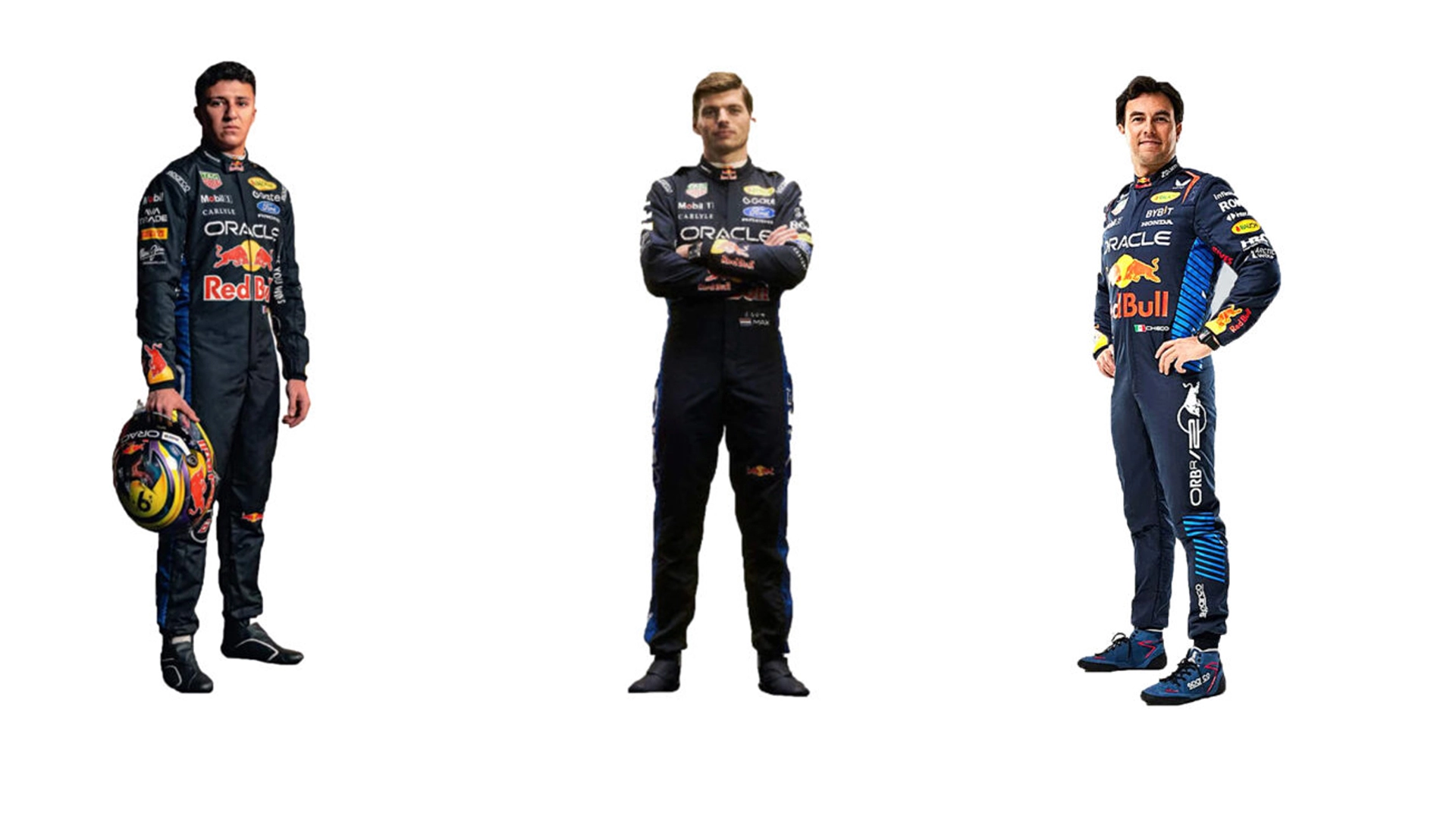
- Iconic suits and driver preferences: Drivers often partner with suit makers (Alpinestars, Sparco, OMP, K1 RaceGear) to get custom fit and team-branded designs; some drivers prefer slim-fitting suits for lower bulk while others prioritize mobility and extra buffer layers for long stints.
- Team liveries, sponsors, and customizations: Suit design must accommodate sponsor placement and team liveries while still observing safety rules (e.g., no combustible decorative materials).
- Fit and ergonomics for driver performance: Proper arm, crotch, and torso fit reduces fatigue, prevents bunching under harnesses, and improves pedal control.
Safety Features Explained
- Fire resistance and thermal protection: Multi-layered Nomex construction delays heat transfer; the most critical metric is Thermal Protective Performance (TPP) which measures how long before second-degree burns occur.
- Breathability and moisture control: Modern suits use inner wicking liners and perforated panels to manage sweat and reduce heat stress.
- Cut-resistant panels, stretch zones, and padding: Strategic reinforcements increase durability where harnesses rub and add comfort where movement is needed.
Measuring and fit tips:
- Measure chest, waist, inseam, arm length, and height while wearing underwear similar to what you’ll race in.
- Account for movement: add a small ease allowance to prevent restriction during steering and shifting.
- If between sizes, choose the larger size for comfort unless you plan to have the suit tailored.
Pricing expectations by level:
- Entry-level karting suits: budget-friendly, typically lower-layer, lower cost.
- Club-level race suits: mid-range priced with FIA or national certifications.
- Professional F1-style suits: premium materials, multiple layers, custom graphics — highest cost.
Caring For Your Race Suit
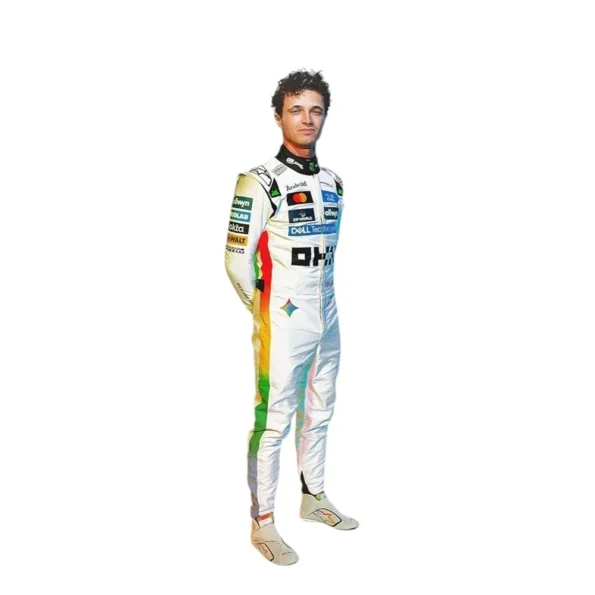
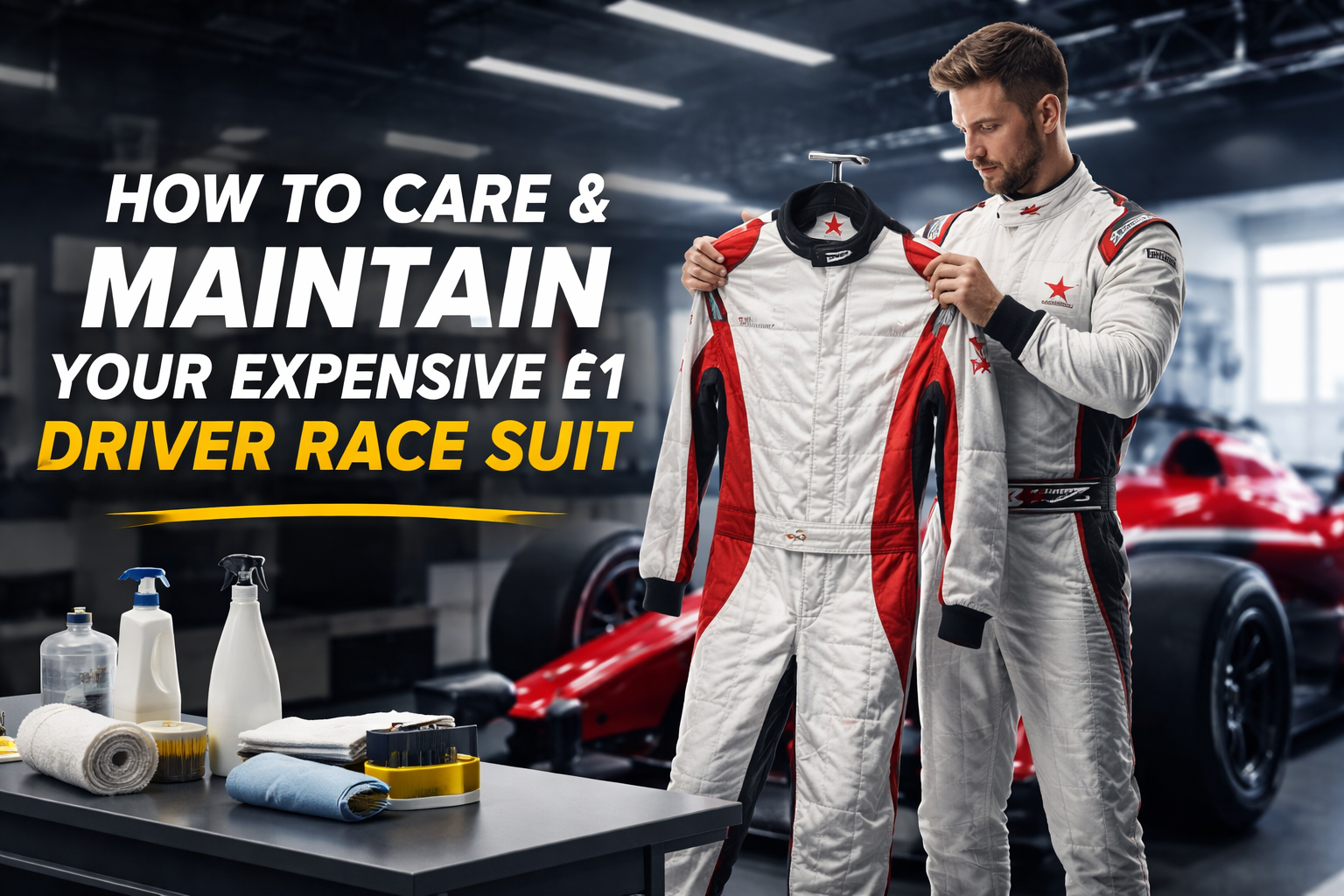
- Cleaning and storage: Follow manufacturer instructions — most suits require gentle washing or specialist cleaning to preserve Nomex properties; avoid bleach and high heat drying.
- Inspection and lifespan: Inspect seams, zippers, and discoloration after incidents; replace if materials show damage or after manufacturer-recommended service life.
- When to replace your suit: After visible damage, failed inspections, or if suit no longer meets homologation for your series.
Frequently Asked Questions:
What material are F1 race suits made of?
- Modern race suits are typically made from meta-aramid fibers (Nomex) in multiple layers to provide flame resistance and thermal protection.
Are all F1 suits the same?
- No — suits vary by manufacturer, number of layers, cut, and certification level; professional teams often use custom suits tailored to drivers’ preferences.
Do F1 suits expire?
- Materials can degrade; manufacturers provide lifespan guidance and suits should be inspected regularly and replaced after damage or per the manufacturer’s recommended service interval.
How do I know if a suit is FIA-approved?
- Authentic suits will display homologation tags and documentation showing compliance with the current FIA standard.
Can I wash a Nomex race suit at home?
- Follow the manufacturer’s instructions; many suits require gentle washing with non-bleach detergent and low-heat drying or air-drying to protect the fibers.
What’s the difference between a karting suit and an F1 suit?
- Karting suits are lighter and optimized for leg mobility and lower-speed protection; F1/pro-level suits use more layers and may include extra reinforcement for higher-speed incidents.
How should a race suit fit under harnesses?
- The suit should be snug but not restrictive, with minimal bunching under shoulder straps and full movement for steering and shifting.
Are custom suits worth the cost?
- For professional drivers or those wanting exact fit and branding, yes; custom suits provide better comfort, safety fit, and visual identity.
Do I need flameproof underwear?
- Fire-resistant underwear, socks, and balaclavas increase overall protection and are recommended for competitive racing.
How much should I budget for a professional-level suit?
- Professional custom suits can be a premium purchase; budget varies by maker and custom work but expect significantly higher costs versus entry-level suits.
Leave a comment