
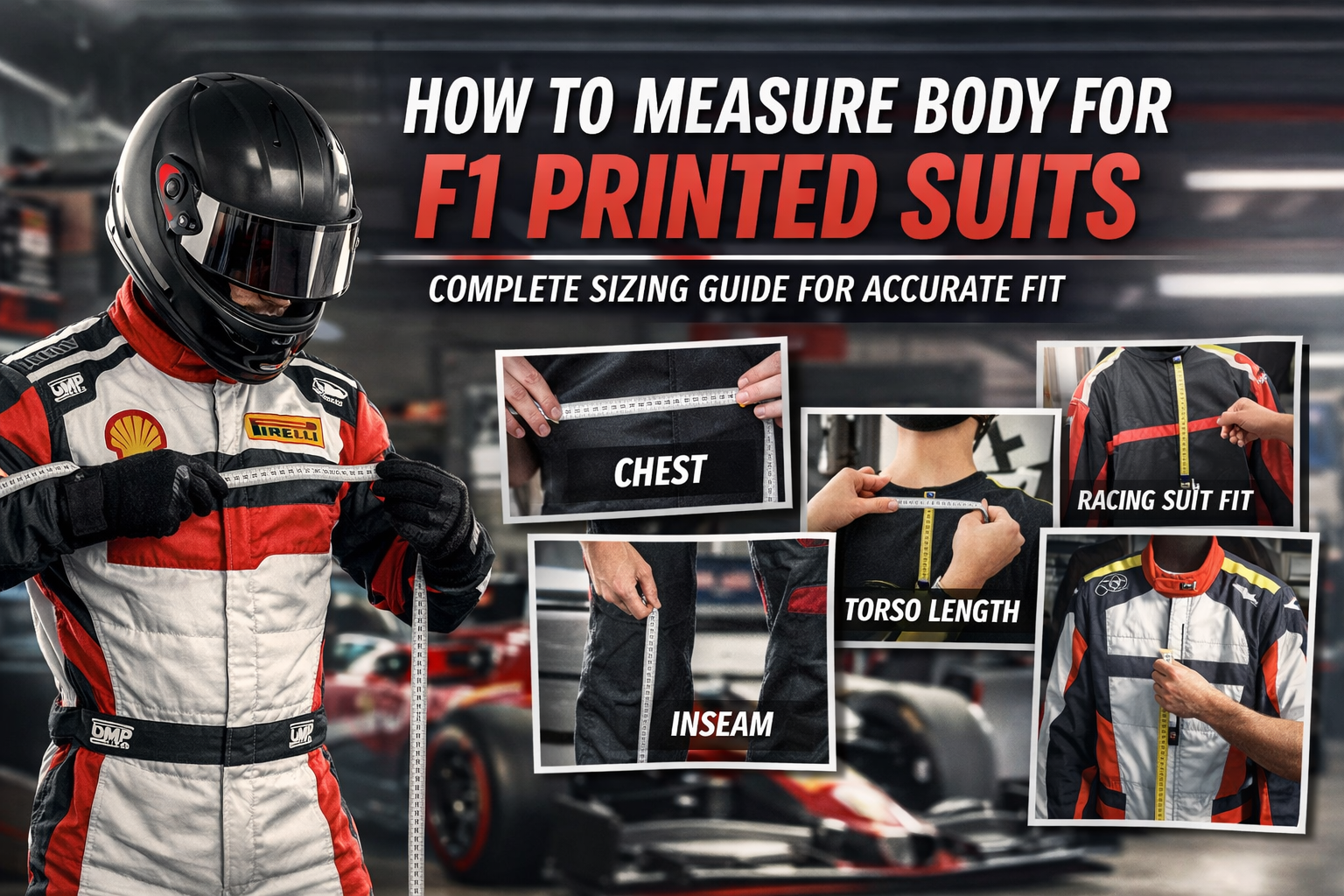
Accurate body measurements are essential when ordering printed racing suits designed for motorsport activities. Unlike everyday apparel, Formula 1 race suits and other specialized driver apparel are constructed to support mobility, comfort, and durability during high-intensity driving conditions. A poorly fitted suit can restrict movement, create pressure points while seated in the kart, and reduce overall comfort during long sessions on the track.
In professional motorsport apparel manufacturing, sizing is determined through precise measurements rather than standard small-to-large clothing labels. Whether the garment is designed for Replica F1 suits used in promotional events or Go-kart racing suits intended for track use, manufacturers rely on exact dimensions to ensure the suit fits correctly across the torso, arms, and legs. Understanding how to measure your body properly is therefore the first step toward selecting racing apparel that performs as intended.
Tools Needed to Measure Your Body Correctly
Taking reliable measurements requires only a few basic tools. These help ensure the recorded dimensions match what manufacturers require when preparing a suit sizing chart.
Flexible Measuring Tape
A soft measuring tape is the standard tool used to measure body dimensions. Unlike rigid rulers, flexible tapes conform to body contours, allowing accurate measurement of curved areas such as the chest and waist.
Mirror or Measurement Partner
Although it is possible to measure yourself, a mirror or a second person improves accuracy. A partner can help position the tape correctly across the shoulders, back, and legs.
Fitted Clothing for Measurement
Wear lightweight or fitted clothing when measuring. Heavy garments or layered clothing can distort the measurement values and lead to oversized suits.
Measurement Chart from Manufacturer
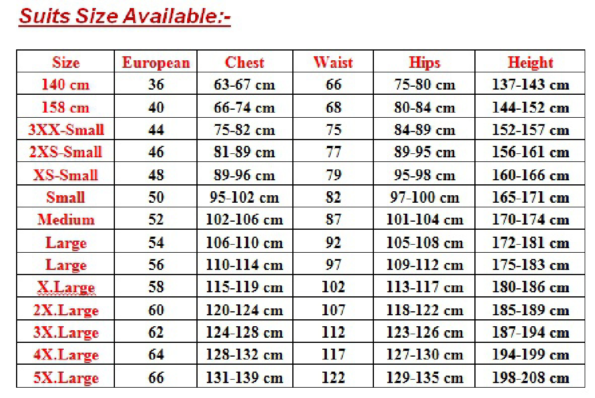
Most racing apparel providers supply a body measurement chart outlining the required dimensions. Following this chart ensures the measurements correspond to the manufacturer’s sizing system.
Preparation Before Taking Measurements
Preparation is an important step in obtaining accurate dimensions. Measurements should always be taken in a relaxed standing position with the body in a natural posture.
Wear light clothing such as a T-shirt and athletic pants. Bulky garments can increase recorded values and result in an oversized suit. The measuring tape should rest directly against the body without compressing the skin.
Stand upright with arms relaxed at the sides. Avoid inhaling deeply or tightening muscles during measurement, as this can distort the readings.
When measuring, keep the tape level and snug but not tight. The tape should follow the body’s natural shape while remaining parallel to the floor whenever possible.
Each measurement should be recorded immediately. Maintaining clear notes reduces the likelihood of mixing up values during the ordering process.
Step-by-Step Body Measurements for F1 Printed Suits
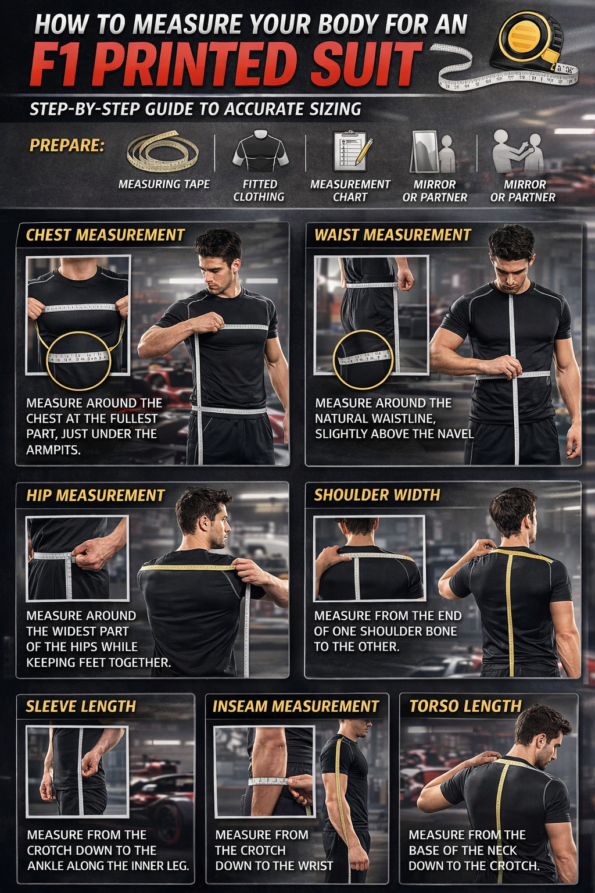
Professional racing suits are tailored using several key body dimensions. The following measurements are typically required when ordering printed motorsport apparel.
Chest Measurement
The chest measurement is taken around the fullest part of the upper torso, usually just under the armpits and across the shoulder blades. Keep the tape horizontal and relaxed while standing normally.
Waist Measurement
The waist circumference should be measured around the natural waistline. This point is typically located slightly above the hip bones and below the rib cage.
Hip Measurement
The hip measurement is taken around the widest part of the hips. This dimension is particularly important for drivers because the suit must remain comfortable while seated in a kart or racing seat.
Shoulder Width
The shoulder width measurement is taken across the back from one shoulder bone to the other. Accurate shoulder measurements allow the suit to sit properly across the upper body without restricting arm movement.
Sleeve Length
Sleeve length is measured from the shoulder seam point down to the wrist while the arm remains slightly bent. This ensures the sleeves remain correctly positioned when holding a steering wheel.
Inseam Measurement
The inseam measurement is taken from the crotch down to the ankle. This dimension determines how the legs of the suit align with the driver’s position while seated.
Torso Length
The torso length measurement runs from the base of the neck down to the crotch. This measurement is particularly important in racing suits because drivers spend long periods seated. An incorrect torso length can cause the suit to pull uncomfortably when sitting.
Height and Weight
Height and weight are typically requested as supporting information. Manufacturers use these values to verify that the submitted measurements correspond with expected body proportions.
Racing Suit Measurements vs Regular Clothing Sizes
Motorsport apparel differs significantly from everyday clothing. Casual garments are typically sold using generalized size labels such as small, medium, or large. Racing suits, however, are designed with performance requirements in mind.
Professional suits must accommodate dynamic movement during driving. The design often includes stretch zones, articulated arms, and reinforced areas that improve durability. Materials such as polyester racing suit materials are frequently used for durability and flexibility, while high-wear areas may include Cordura fabric panels to improve abrasion resistance.
Because of these technical construction methods, standard clothing sizes cannot accurately represent racing apparel dimensions. Instead, manufacturers rely on precise body measurements to produce garments that match the driver’s body structure.
For this reason, selecting a suit based only on generic size labels is not recommended. A properly fitted suit should follow the driver’s body shape while allowing full freedom of movement during driving.
Common Measurement Mistakes to Avoid
Measurement errors are one of the most common reasons customers receive incorrectly sized suits. Avoiding a few simple mistakes can significantly improve accuracy.
Common issues include:
• Measuring over thick clothing
• Pulling the tape too tightly around the body
• Recording rounded numbers instead of exact measurements
• Incorrectly measuring leg length
Another frequent mistake occurs when the tape is angled or twisted. Measurements should always be taken with the tape level and straight across the body.
Taking measurements twice is recommended. If two readings differ significantly, measure again until consistent values are obtained.
When to Choose Custom-Sized F1 Printed Suits
Standard sizes are suitable for many drivers, but some situations require a custom-sized garment. This is particularly common in custom racing suit manufacturing, where suits are produced specifically for the individual driver.
Custom sizing may be recommended for:
• drivers with unusually tall or short torsos
• athletes with broader shoulders or longer arms
• professional drivers requiring precise fit
• teams ordering coordinated uniforms
• promotional events involving branded racing apparel
Custom sizing allows the manufacturer to tailor the garment precisely to the driver’s body proportions, ensuring both comfort and visual accuracy for printed graphics.
Measurement Submission Tips When Ordering Online
When submitting measurements through an online order form, accuracy and clarity are essential. Always double-check each dimension before sending it to the manufacturer.
Compare your recorded values with the manufacturer’s racing suit measurement chart to confirm they fall within the expected size range. If a measurement seems unusually large or small, repeat the process to verify it.
It is also important to confirm the measurement units. Some manufacturers request dimensions in centimeters, while others use inches.
Providing additional notes can also be helpful. For example, if the suit will be worn over protective layers or additional kart racing equipment, mentioning this detail can help manufacturers adjust the fit accordingly.
Final Fit Check Before Ordering Your F1 Printed Suit
Before submitting your order, perform a final review of all recorded measurements.
Confirm that every required dimension has been measured and written down clearly. Measurements should be verified at least twice to ensure consistency. Compare your values with the manufacturer’s sizing guidelines to confirm that the selected size or custom dimensions align with their specifications.
A careful final check helps ensure the finished suit delivers the proper racing suit fit expected from professional motorsport apparel. Accurate measurements allow manufacturers to produce garments that provide comfort, mobility, and a clean professional appearance on and off the track.



Leave a comment