
Every Ferrari F1 race suits tells the same story: speed, heat, and split-second survival. If you’ve ever watched a Formula 1 broadcast and wondered how drivers walk away from crashes that would be catastrophic in a regular car, the answer is largely in what they’re wearing. The suit isn’t a costume — it’s a piece of safety engineering that happens to look incredible.
This guide breaks down everything you need to know about F1 race suits, using Ferrari’s iconic red as our reference point throughout. Whether you’re a motorsport fan who wants a replica for the garage, a karting parent shopping for your child’s first suit, or a driver upgrading your own gear, you’ll learn what these suits are made of, how they’re rated for safety, what separates a professional-grade suit from a novelty one, and how to pick the right suit for your own racing needs.
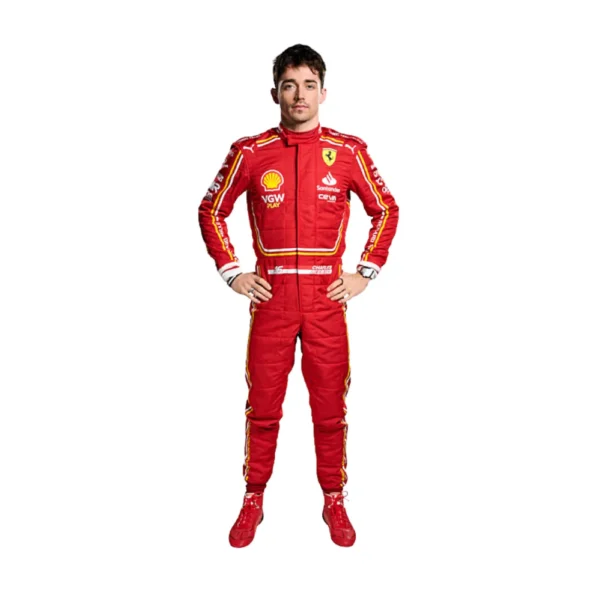
What makes a Ferrari F1 race suits safe?
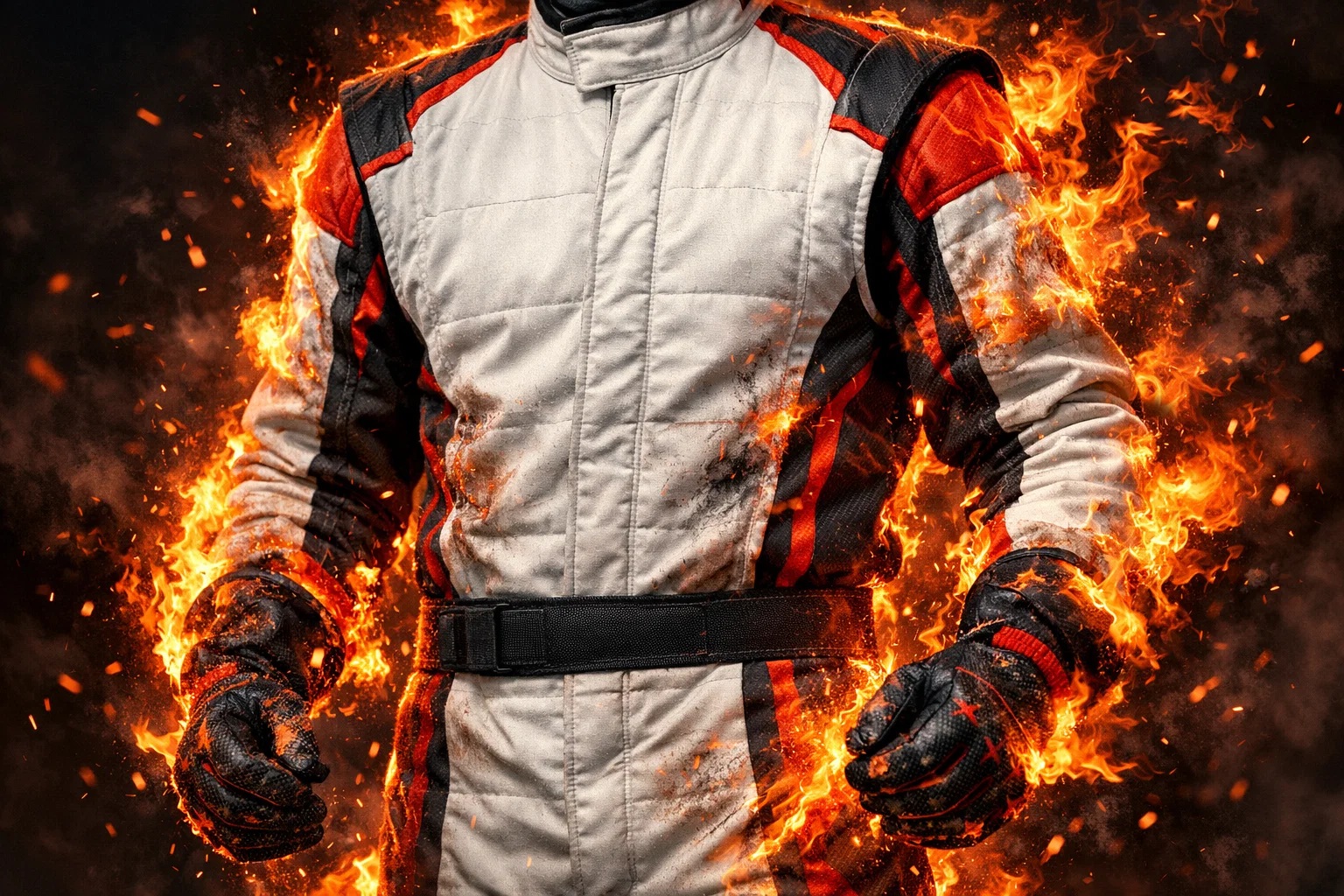
Modern Ferrari F1 race suits are certified under the strict FIA 8856-2018 safety standard. They are engineered from advanced aramid synthetics like Nomex, which automatically carbonize and thicken when exposed to direct flames. This structural reaction provides a minimum of 12 seconds of thermal insulation against radiant and convective heat, protecting drivers from second-degree burns while maintaining an ultra-lightweight profile under 1 kilogram.
The Early Decades (1950s–1960s)
In the era of Alberto Ascari and Juan Manuel Fangio, drivers raced in lightweight cotton trousers, short-sleeved polo shirts, and soft leather helmets. Fire protection was essentially non-existent. Drivers occasionally dipped their everyday clothing into borax solutions in a primitive attempt to gain temporary flame resistance.
The Material Revolution (1970s–1980s)
Following horrific, fiery accidents involving legends like Niki Lauda, the motorsport community demanded rapid change. By the late 1970s, DuPont’s Nomex—a revolutionary synthetic aramid fiber—became the industry standard. Ferrari worked closely with safety innovators to build heavy, multi-layer suits that prioritized thermal defense over driver comfort.
The Modern Elite Era (2000s–Present)
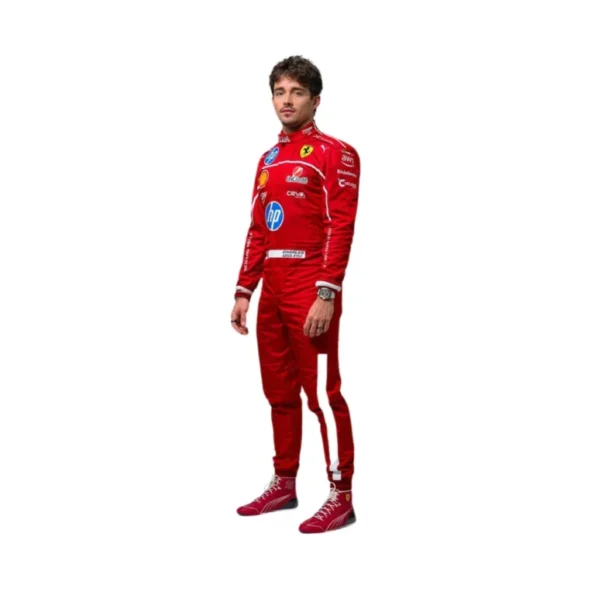
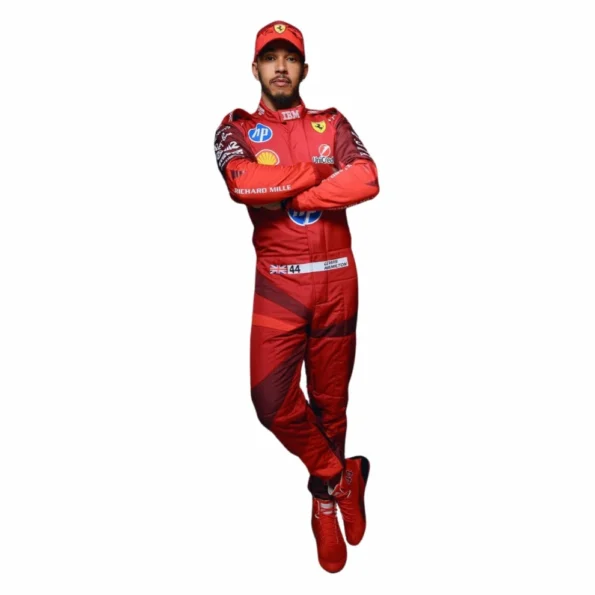
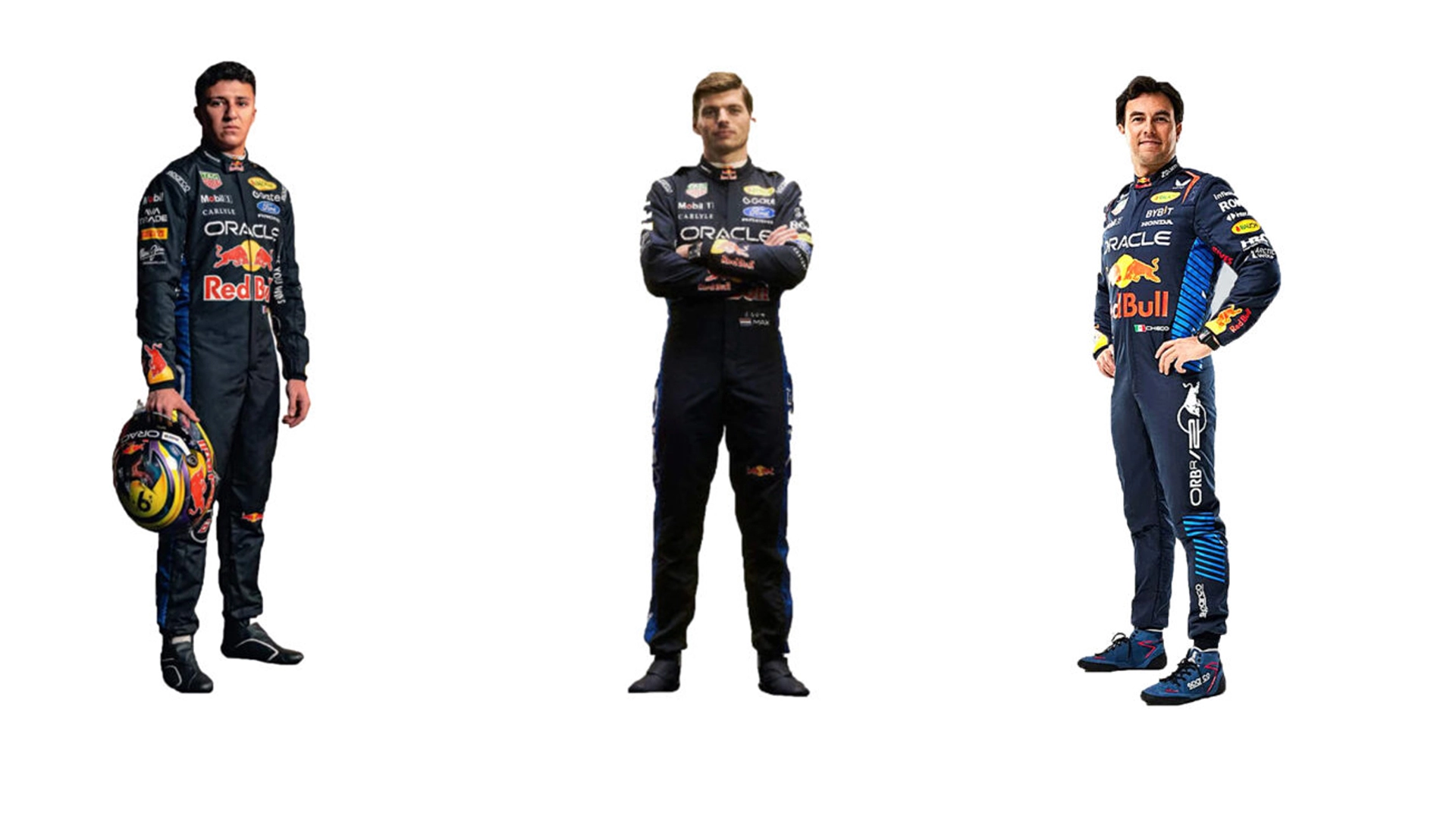
Ferrari F1 Race Suits, companies like Puma partner with Scuderia Ferrari to create high-performance suits. Modern design focuses on reducing weight while improving safety. Heavy sewn-on sponsor patches have been replaced by customized, fireproof sublimation printing. This leaves the suit incredibly thin, flexible, and breathable, weighing less than 1 kilogram while meeting brutal impact and thermal tests.
FIA 8856-2018 Standard vs. Karting Regulations
If you compete in organized motorsport events, you must select gear that aligns with your specific discipline’s safety requirements. Using the wrong specification can result in technical disqualification or severe injury.
Auto Racing: FIA 8856-2018
This is the active safety benchmark for top-tier open-wheel, sports car, and rally racing. The testing protocols are demanding, requiring the fabric to withstand direct flame exposure for at least 12 seconds before the internal temperature rises enough to cause a second-degree burn. Crucially, all genuine FIA 8856-2018 apparel features a distinctive gold hologram label with a 10-year expiration date printed directly on the fabric.
Kart Racing: CIK-FIA Level 2
Go-kart racing rarely involves cockpit fires, but it presents a major risk of high-speed asphalt abrasion if a driver is thrown from a kart. Because of this, karting suits are built from heavy-duty Cordura or matrix nylon textiles rather than flame-retardant Nomex.
⚠️ Critical Safety Warning: Never wear a nylon karting suit inside an enclosed race car. Nylon melts rapidly when exposed to heat, which can cause devastating skin injuries in a fire. Conversely, an auto racing suit will wear out quickly if dragged across abrasive karting asphalt.
Comprehensive Buyer’s Guide: Choosing Your Racing Gear
Selecting your motorsport gear requires evaluating your specific budget, performance expectations, and racing environment.
1. Identify Your Intended Discipline
- Competitive Car Racing: Look for a genuine suit stamped with the FIA 8856-2018 gold hologram label.
- Club Karting: Opt for a certified CIK-FIA Level 2 suit built for heavy abrasion protection.
- Sim-Racing & Fan Events: High-quality replica apparel, lifestyle hoodies, and dedicated sim-gloves provide excellent comfort and look the part without the premium cost of fire-rated racing gear.
2. Get the Right Fit
A poorly fitting suit limits your range of motion and can compromise safety. Always take your measurements while wearing your complete set of fireproof underwear (balaclava, long-sleeve top, bottoms, and socks). Sit down in a bucket seat or chair to mimic your actual driving posture. Make sure the torso fabric doesn’t pull tightly against your neck, and check that the wrist and ankle cuffs don’t ride up too high.
3. Avoid Common Buying Mistakes
- Buying Used Gear Blindly: Second-hand suits on online auction spaces may look like a bargain, but hidden fuel stains, thinning fabric from improper washing, or expired certification tags can make them unsafe for competition.
- Neglecting Specialized Cleaners: Standard household detergents often contain optical brighteners or fabric softeners that leave flammable chemical residues on aramid fibers. Always wash your technical racing gear inside out in cold water with specialized, non-biological wash formulas, and hang dry away from direct sunlight.
Frequently Asked Questions (FAQs)
Are F1 race suits completely fireproof?
No racing suit is entirely fireproof forever. They are designed to be fire-resistant. They provide a critical time buffer (minimum 12 seconds under current regulations) by slowing down heat transmission, giving drivers a window to escape a cockpit fire safely.
Why do FIA-certified race suits have an expiration date?
Over years of continuous use, racing apparel is exposed to driver sweat, body oils, track grime, fuel vapors, and routine cleaning. These factors gradually break down the protective aramid weave, making a hard 10-year lifespan necessary for safety.
Can I use a karting suit for track days in an enclosed car?
No. Karting suits are constructed from heavy nylon or polyester textiles engineered to handle high-speed road rash and asphalt slides. They do not have built-in flame protection and will melt rapidly if exposed to a cockpit fire.
How should I wash and care for my Nomex race suit?
Wash your suit inside out on a gentle cycle using cold water and a mild, non-biological liquid detergent. Never use chlorine bleach or fabric softeners, as they leave flammable deposits and degrade aramid fibers. Always hang the suit to air-dry out of direct sunlight; do not use a tumble dryer.
Why are modern Formula 1 suits so thin and lightweight?
Advanced weaving technology allows manufacturers to spin aramid fibers into incredibly thin, high-density plies. This delivers the necessary fire resistance with fewer layers, reducing driver fatigue and managing heat stress.
Leave a comment